How to Remove Tough Kitchen Grease
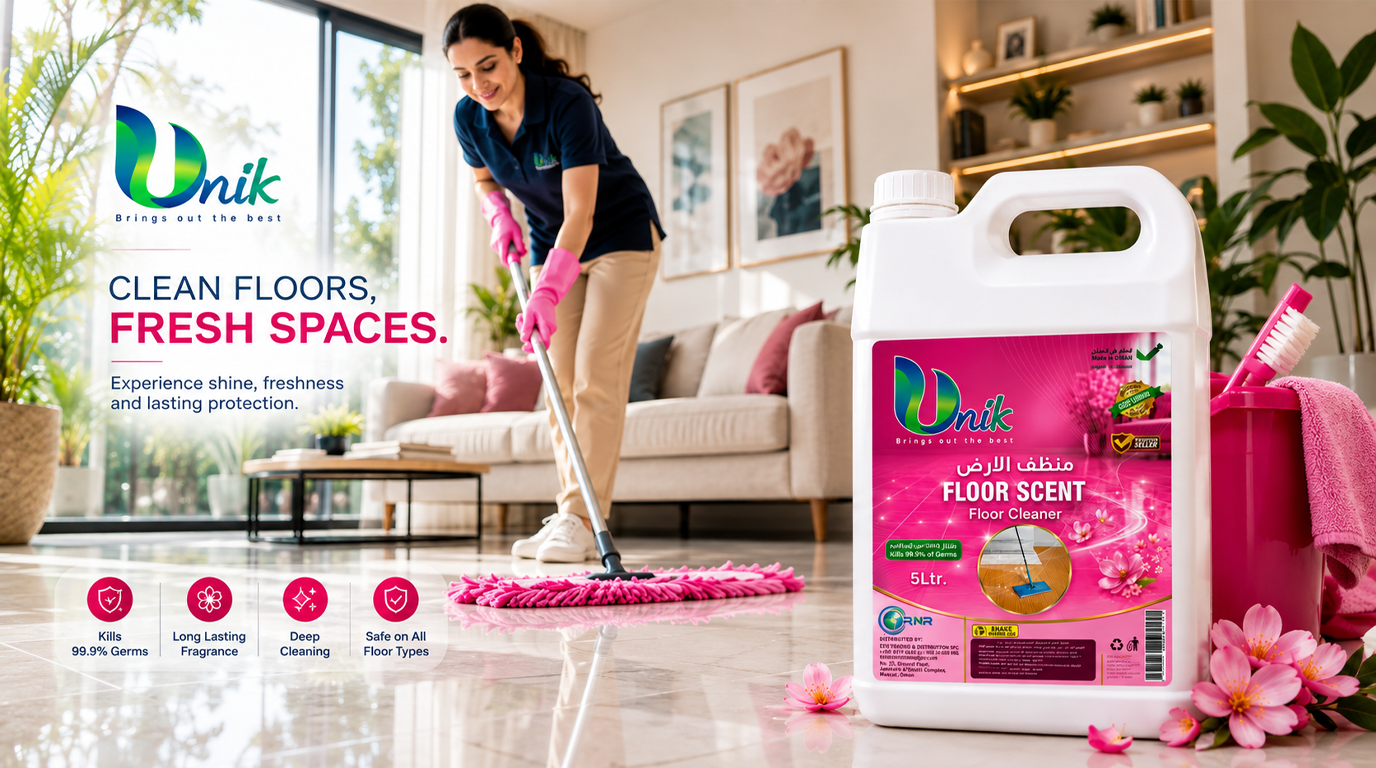
Best floor cleaning practices depend on using the correct techniques and pH-balanced solutions tailored to your specific flooring material to maximize shine and prevent surface damage. For all hard floors, the foundation of care begins with dry soil removal—using a soft-bristled broom, dust mop, or vacuum without a heavy beater bar to lift abrasive dirt particles before they scratch the finish. When wet mopping, the gold standard is the two-bucket system, which separates your clean cleaning solution from dirty rinse water to ensure you are not merely shifting emulsified grime across the room.
To preserve the floor integrity, you must tightly control moisture by utilizing a damp, tightly wrung microfiber mop head rather than a soaking wet cotton string mop. For resilient surfaces like tile, vinyl, and sealed stone, light agitation with a neutral detergent safely emulsifies oils, while wood and laminate require minimal moisture and immediate drying to avoid warping and seam failure. Finishes are maintained long-term by always wiping up spills immediately, placing breathable walk-off mats at high-traffic entryways, and avoiding harsh acidic or highly alkaline chemicals that strip factory sealants.